Understanding Coffee Origins
7 min read
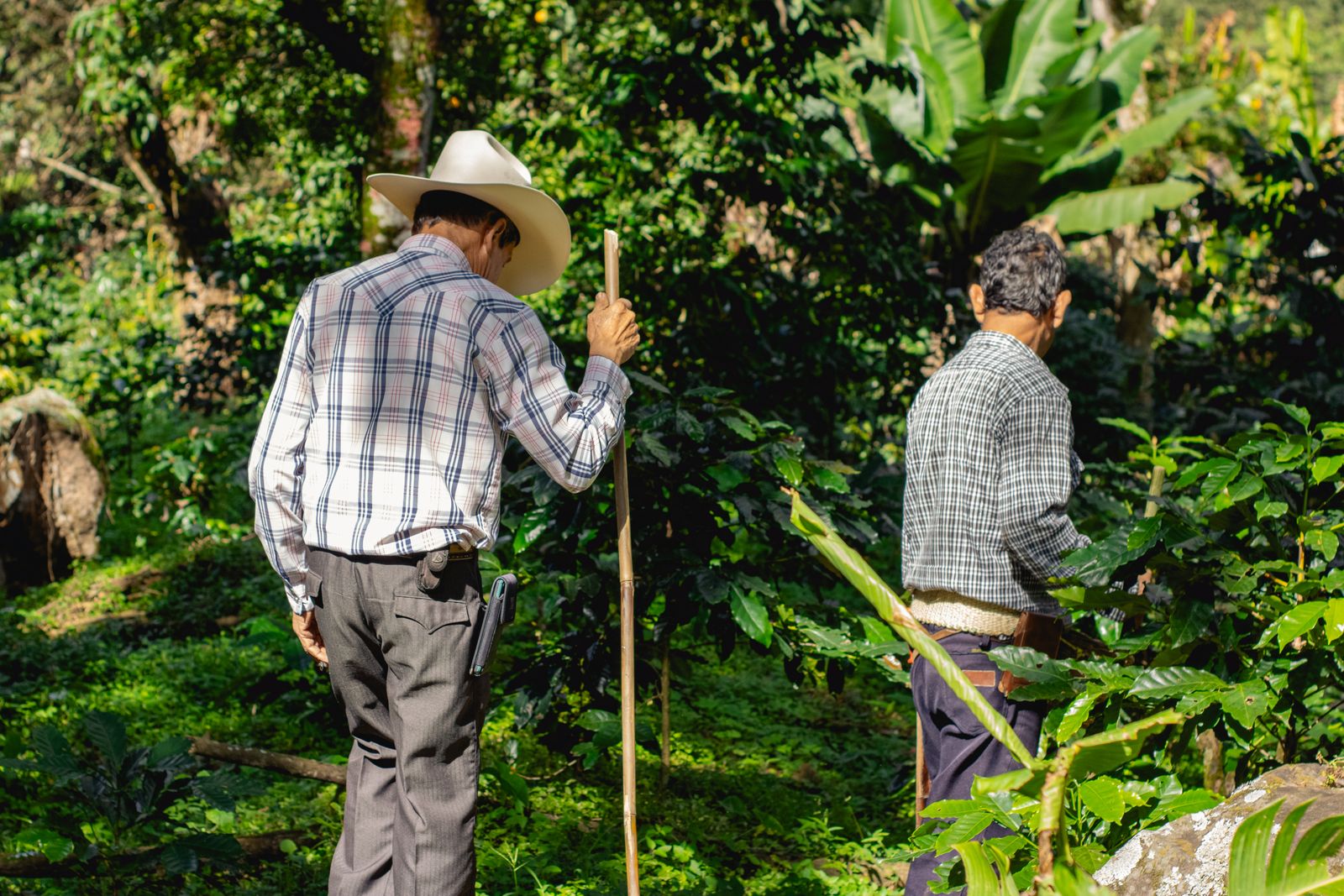
Where a coffee is grown has a profound influence on how it tastes. Altitude, soil composition, rainfall patterns, and processing methods all leave a fingerprint in the cup. Understanding origin helps you explore the world through coffee — one region at a time.
Ethiopia — The Birthplace of Coffee
Ethiopia is where Coffea arabica originated, and the country's wild and cultivated coffee varieties remain some of the most complex in the world. Yirgacheffe and Sidama coffees are celebrated for their bright acidity and distinctive floral and blueberry notes when washed-processed. Natural (dry) processed Ethiopian coffees tend toward jammy, wine-like fruit flavors. If you enjoy complex, aromatic, tea-like cups, Ethiopian coffee is your starting point.
Colombia — Balanced and Approachable
Colombia's varied geography — mountains, valleys, and microclimates from north to south — produces coffees that are generally well-balanced, clean, and approachable. You'll often find notes of caramel, red apple, and stone fruit with a mild, pleasant acidity. Colombian coffee is a great all-day brew and a universal crowd-pleaser, which is why it is one of the most popular origins worldwide.
Brazil — The Workhorse
Brazil is the world's largest coffee producer and the backbone of most espresso blends. Brazilian coffees are low-acid, full-bodied, and naturally sweet, with notes of milk chocolate, nuts, and dried fruit. The country's flat terrain and large estates favor mechanical harvesting and natural processing, which contributes to the characteristically smooth, muted flavor profile. Excellent for espresso and cold brew.
Guatemala — Rich and Chocolatey
Guatemala's volcanic highlands produce dense, rich coffees with dark chocolate, brown sugar, and mild spice notes. The volcanic soil is mineral-rich and drains well, allowing coffee trees to develop slowly at high altitude. Antigua and Huehuetenango are the most recognized regions. Guatemalan coffee tends to be heavier-bodied than Colombian, with a lingering sweetness that makes it exceptional as a morning brew.
Kenya — Bold, Winey, Complex
Kenyan coffee is famous for its intense, almost savory complexity. Expect notes of blackcurrant, tomato, and dark berry with a juicy, almost wine-like acidity. Kenya's SL28 and SL34 cultivars were specifically developed for quality and are processed using a double-fermentation washed method that amplifies clarity and brightness. Kenyan coffee is not subtle — it is bold, memorable, and divisive in the best way.
Altitude and Flavor
A simple rule of thumb: the higher the altitude, the denser and more complex the coffee. At altitude, cooler temperatures slow the growth of the coffee cherry, allowing sugars and acids to develop more fully. High-altitude coffees (above 1,500 meters / ~5,000 feet) tend to be brighter and more complex; lower-altitude coffees tend to be softer, milder, and more body-forward.