Espresso at Home: A Beginner's Guide
8 min read
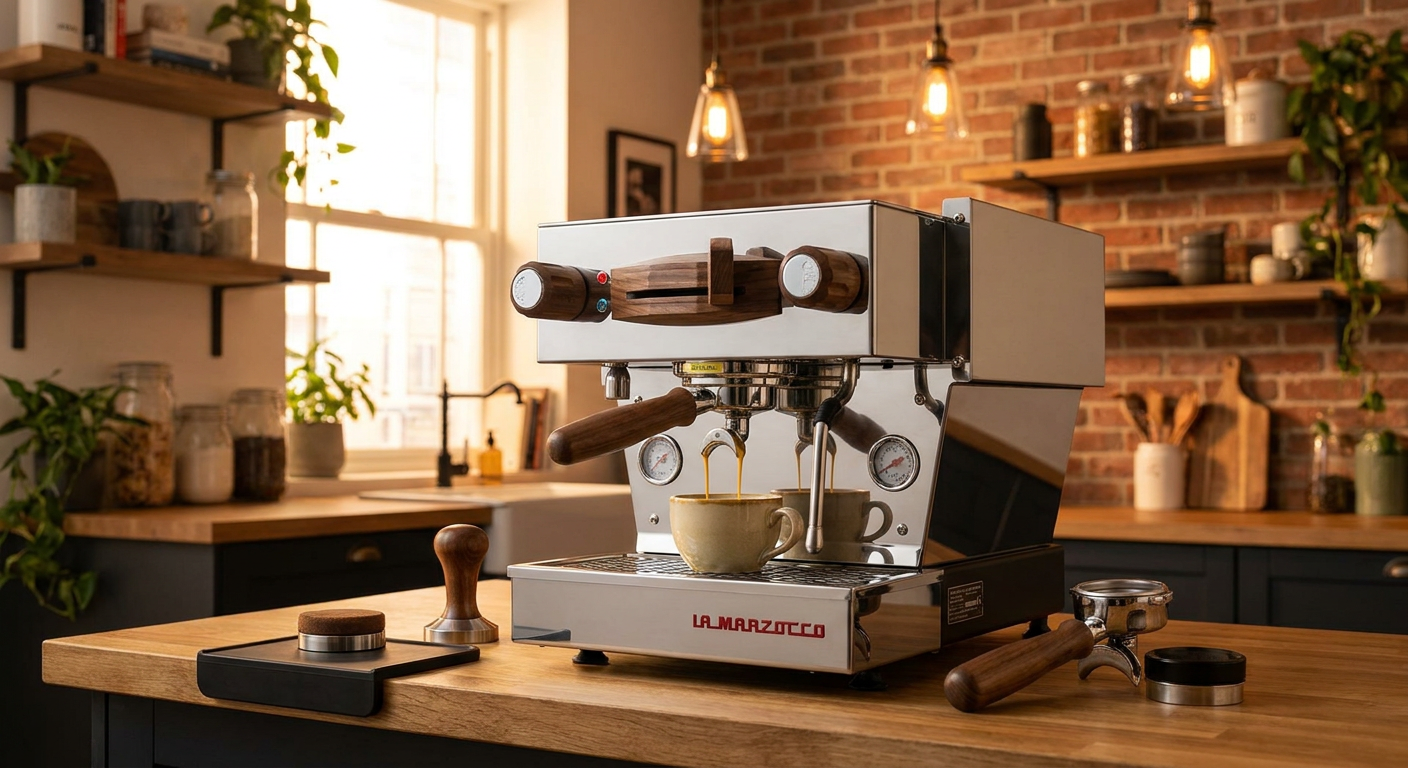
Home espresso used to require a second mortgage. Today, capable machines start under $300 and deliver shots that rival many cafes. Here is everything you need to know to start pulling beautiful espresso in your own kitchen.
What Makes Espresso Different
Espresso is not just strong coffee. It is a specific extraction method: hot water forced through finely ground, tightly compacted coffee at approximately 9 bars of pressure for 25–30 seconds. This high-pressure, short-contact extraction produces a concentrated 1–2 oz shot with a thick crema layer, intense flavor, and syrupy body that no other brewing method can replicate. It is also the base for every milk drink — lattes, cappuccinos, flat whites, and macchiatos.
The Essential Equipment
You need three things: an espresso machine, a capable grinder, and fresh coffee. The machine provides the pressure and temperature stability. Entry-level options like the Breville Bambino or Gaggia Classic Pro are excellent starting points ($300–$450). The grinder is equally important — espresso demands extremely fine, precisely adjustable grinding. The Eureka Mignon Notte or Baratza Sette 270 are solid entry-level choices ($250–$400). Budget roughly equal amounts for machine and grinder.
Choosing Your Beans
Espresso works with any coffee, but the concentrated extraction amplifies everything — both good and bad. Medium to medium-dark roasts are most forgiving for beginners. Look for tasting notes like chocolate, caramel, nuts, and dried fruit. Very light roasts can taste aggressively sour in espresso until you develop the skill to extract them properly. Start with a blend designed for espresso — roasters formulate these for balance and sweetness at espresso extraction ratios.
Dialing In Your Shot
Dialing in means adjusting grind size until your shot hits the right flow rate and taste. Start with 18g of coffee in a double basket. Your target: 36g of liquid espresso in 25–30 seconds. If the shot runs too fast (under 20 seconds), grind finer. If it chokes or drips too slowly (over 35 seconds), grind coarser. Adjust one click at a time. When the timing is right, taste the shot — it should be sweet, balanced, and full-bodied with no harsh bitterness or sharp sourness.
The Puck Preparation Workflow
Consistency is everything in espresso. Develop a repeatable workflow: dose your ground coffee into the portafilter (use a scale), distribute the grounds evenly (a WDT tool — a needle distribution tool — works brilliantly), then tamp with firm, level pressure. The goal is a uniform, flat puck with no channeling paths where water can rush through. Channeling causes simultaneous over- and under-extraction, producing shots that taste both bitter and sour.
Milk Steaming Basics
If you drink lattes or cappuccinos, milk steaming is half the skill. Submerge the steam tip just below the milk surface and introduce air for the first 2–3 seconds (you will hear a hissing/tearing sound). Then sink the tip deeper and create a spinning vortex that incorporates the air into a smooth, glossy microfoam. Target 140–150°F (60–65°C) final temperature. The milk should look like wet paint — shiny, uniform, and free of visible bubbles.
Common Beginner Mistakes
The most common mistakes: using pre-ground coffee (it goes stale within hours and you cannot adjust grind size), not using a scale (eyeballing dose and yield is wildly inconsistent), tamping too hard or unevenly (consistency matters more than force), not purging the group head before pulling a shot (flush old water for 2–3 seconds), and rushing to drink without tasting — pay attention to each shot so you can learn what adjustments improve it.
Is It Worth the Investment?
If you buy 1–2 espresso drinks daily at a cafe ($5–7 each), a home setup pays for itself in 3–6 months. Beyond economics, home espresso is a deeply satisfying hobby. The learning curve is steep at first but flattens quickly. Within 2–3 weeks of daily practice, most people produce shots they genuinely prefer to their local cafe. The ritual of grinding, tamping, and pulling becomes a meditative morning practice.