Grinding & Brewing Methods
8 min read
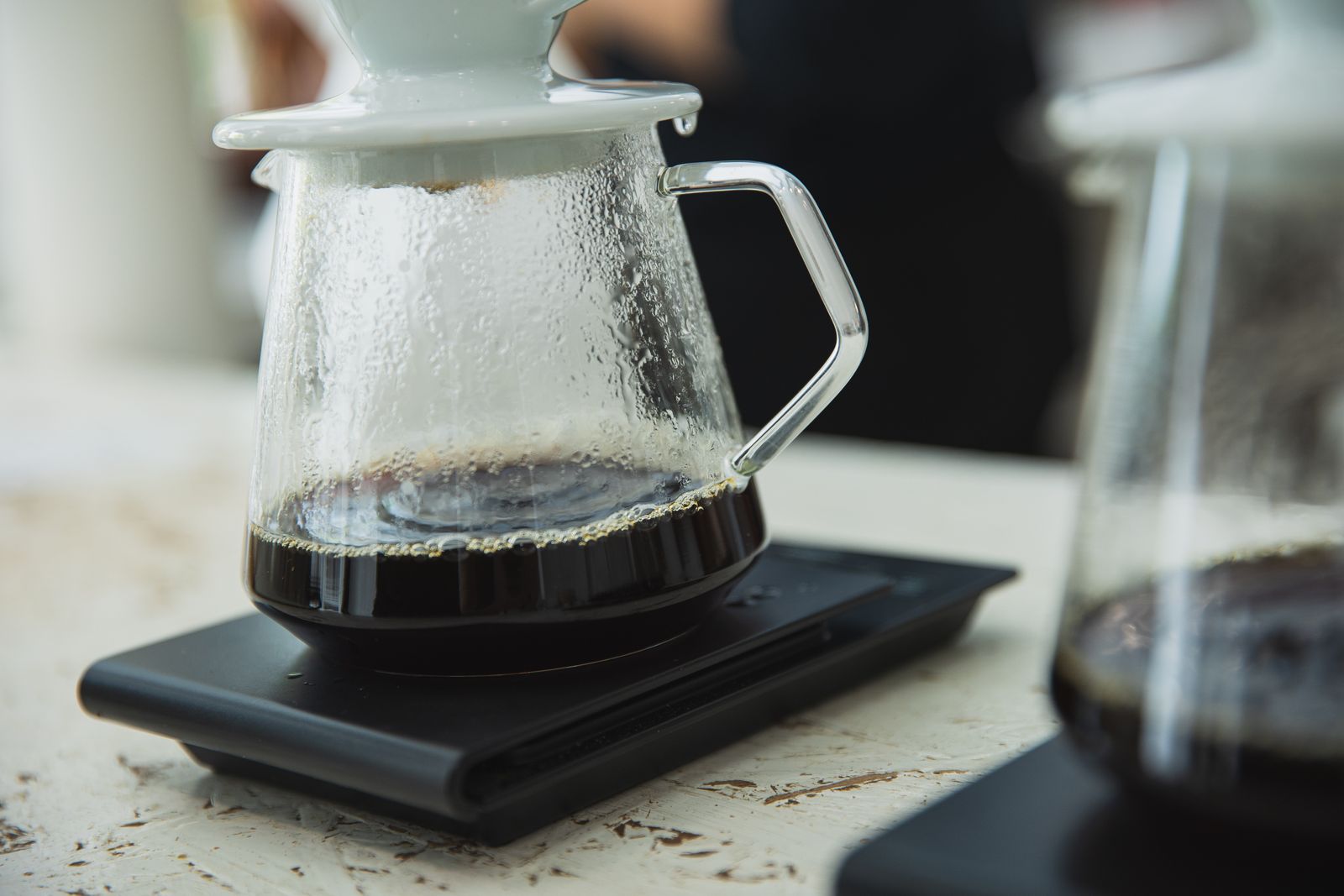
Choosing the right brewing method is as personal as choosing a coffee bean. Each method extracts flavor differently, producing a distinct cup. Understanding the trade-offs helps you find — or expand — your ideal brewing ritual.
Why Your Grinder Matters More Than Your Brewer
A cheap burr grinder paired with an inexpensive brewer will outperform a premium brewer with a cheap blade grinder almost every time. Blade grinders chop beans unevenly into a mix of powder and coarse chunks that extracts at wildly different rates — producing bitter and sour flavors simultaneously. Burr grinders crush beans between two abrasive surfaces, producing consistently sized particles. Even an entry-level burr grinder is a worthwhile investment.
Pour Over (V60, Chemex, Kalita Wave)
Pour over is the method most favored by specialty coffee enthusiasts for its clarity and precision. Hot water is poured slowly over grounds held in a paper filter, producing a clean, bright, detailed cup with a light to medium body. The paper filter catches oils and fine particles, letting the delicate floral and fruit notes of high-quality single-origin coffees shine through. It requires more attention than drip but rewards patience with exceptional results. Grind: medium. Brew time: 3–4 minutes.
French Press
The French press is an immersion brewer — grounds steep in hot water for several minutes before being separated by pressing down a metal mesh plunger. Because no paper filter is used, coffee oils pass into the cup, producing a full-bodied, rich, almost silky texture. The result is bold and satisfying, though slightly less clarity than pour over. Ideal for earthy, chocolatey, or nutty coffees. Grind: coarse. Brew time: 4 minutes.
Espresso
Espresso forces hot water through finely ground, tightly packed coffee at high pressure (typically 9 bars), producing a concentrated, intensely flavored 1–2 oz shot with a distinctive crema on top. It is the base for lattes, cappuccinos, and macchiatos. Espresso requires a dedicated machine and more skill to dial in correctly — grind size, dose, and tamp pressure all affect the shot. The rewards are a depth of flavor unmatched by any other method. Grind: very fine. Brew time: 25–30 seconds.
AeroPress
The AeroPress is a versatile, compact, nearly indestructible brewer beloved by travelers and coffee nerds alike. It uses pressure (manually applied) combined with short immersion time to produce a smooth, low-acid cup that can range from espresso-style concentrate to a filter-like brew depending on technique. Paper or metal filters can be used, altering body and clarity. It is forgiving, fast, easy to clean, and endlessly hackable. Grind: medium-fine. Brew time: 1–2 minutes.
Cold Brew
Cold brew is made by steeping coarsely ground coffee in cold or room-temperature water for an extended period — typically 12–24 hours. The result is a smooth, naturally sweet, low-acid concentrate that can be diluted with water or milk. Cold brew keeps in the refrigerator for up to 2 weeks, making it excellent for batch preparation. The long, slow extraction pulls different compounds than hot brewing, producing a mellow, chocolatey profile that appeals to people who find hot-brewed coffee too acidic or bitter. Grind: extra coarse. Brew time: 12–24 hours.
Moka Pot
The stovetop moka pot is an Italian classic that produces a strong, full-bodied coffee by passing steam pressure through tightly packed grounds. It does not reach the pressure of an espresso machine, so the result is more accurately described as "stovetop coffee" rather than true espresso — but it is rich, intense, and deeply satisfying. Use a medium-fine grind, fill the filter basket level (don't tamp), and keep the heat medium-low for the best results. Grind: medium-fine. Brew time: 5–8 minutes.