Decaf Done Right
5 min read
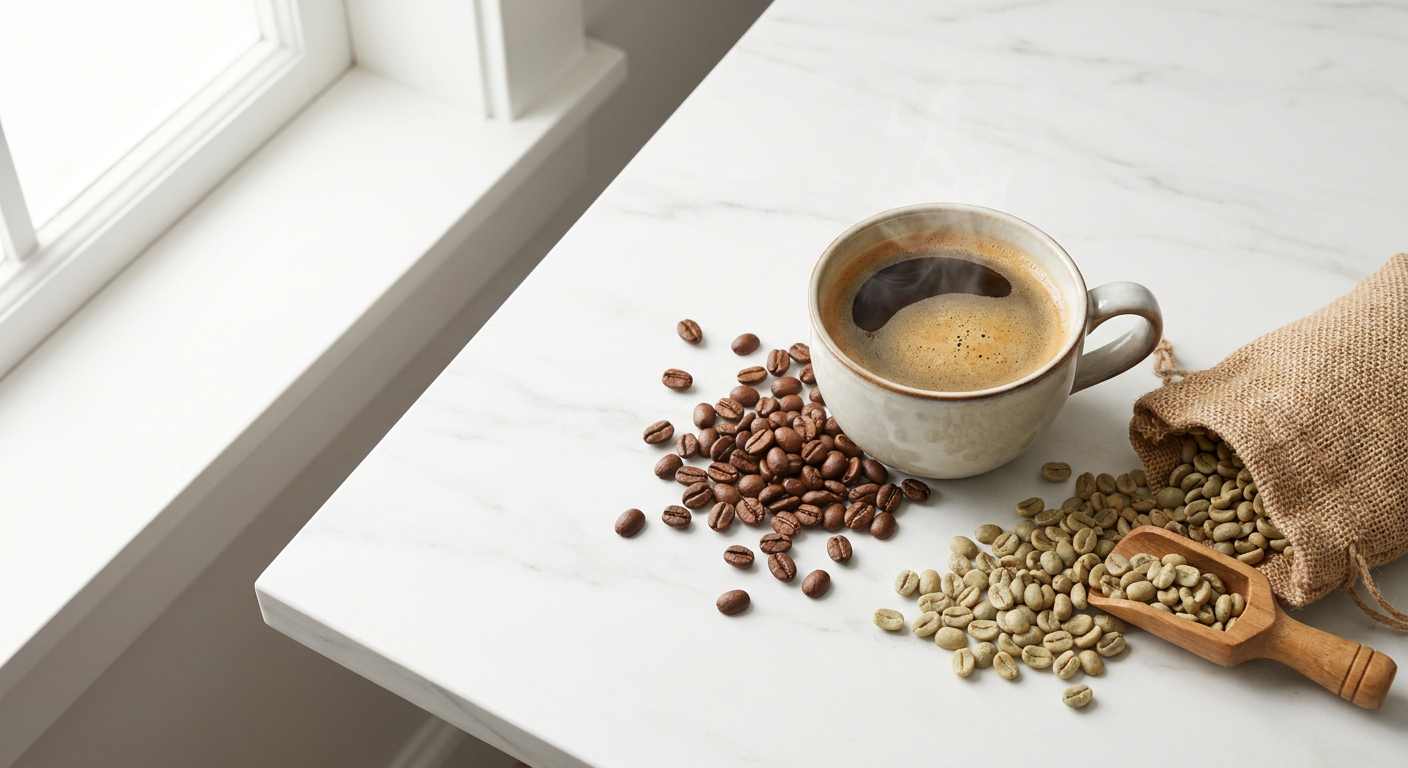
Decaf has a reputation problem. For decades, it meant stale, flavorless coffee that tasted like an afterthought. But modern decaffeination processes have changed everything. Here is how to find decaf that is genuinely worth drinking.
Why Decaf Used to Be Terrible
Traditional decaffeination used harsh chemical solvents (methylene chloride or ethyl acetate) that stripped not just caffeine but also many of the volatile aromatic compounds that give coffee its flavor. Worse, roasters treated decaf as a low-priority product — using cheap, commodity-grade beans that were already flavorless before processing. The result was a double insult: poor beans made worse by aggressive processing.
The Swiss Water Process
Swiss Water Process (SWP) uses no chemicals — only water, temperature, and time. Green coffee beans are soaked in hot water saturated with coffee solubles (everything except caffeine). Through osmosis, only the caffeine migrates out of the beans while the flavor compounds stay put. The process removes 99.9% of caffeine while preserving the origin character of the beans. It takes 8–10 hours and is more expensive than solvent methods, but the flavor difference is dramatic.
The Sugarcane Process
Also called EA (ethyl acetate) process, the sugarcane method uses a naturally derived solvent from fermented sugarcane. While technically a solvent process, the ethyl acetate is natural and gentle. Beans processed this way often retain a pleasant sweetness and rounded body. Colombian decafs processed with sugarcane EA are particularly popular in specialty coffee. The result is clean, sweet, and retains more of the original coffee character than traditional chemical methods.
CO2 Decaffeination
Supercritical CO2 decaffeination uses pressurized carbon dioxide as a solvent. CO2 is highly selective for caffeine molecules, leaving other flavor compounds largely intact. It is the most expensive process and typically reserved for large-scale commercial operations, but the results are excellent. Many premium instant coffees and pods use CO2-processed decaf because it preserves flavor at scale.
Choosing Quality Decaf
Look for: Swiss Water Process or sugarcane/EA process stated on the bag, specialty-grade beans (score 80+ on the SCA scale), a roast date within the last 4 weeks, and single-origin or carefully blended options from roasters who treat decaf with the same care as their regular lineup. Avoid bags that simply say "decaffeinated" with no process information — this usually means chemical solvent processing with commodity beans.
When to Drink Decaf
Decaf is not just for people who "cannot handle caffeine." It is a tool for extending your coffee enjoyment throughout the day without disrupting sleep. Caffeine has a half-life of 5–6 hours — a 3pm cup of regular coffee means significant caffeine still circulating at bedtime. Switching to quality decaf after noon lets you enjoy the ritual and flavor of coffee while protecting your sleep. Many specialty roasters now offer their best origins in decaf versions.